All Categories
Featured
Comparing PPO and HMO Health Insurance Explained
Indexed Universal Life Benefits for Retirement


Building Long-Term Financial Security With Life Insurance
Table of Contents
How does the 2026 subsidy cliff affect Pennsylvania family health insurance coverage? The return of the 400 percent FPL aid cliff in 2026 approximately $128,600 annual earnings for a household of four significantly increased expenses for middle-income Pennsylvania households on Pennie.
Nevertheless, even families above the APTC threshold might have children qualified for CHIP if household income is below 319 percent FPL per-child, considerably lowering overall household coverage expense. Can Pennsylvania households enroll in CHIP beyond open enrollment? Yes. Pennsylvania CHIP enrollment is open year-round there is no open enrollment duration constraint for CHIP or Medical Support.
Kids who gain eligibility due to income changes, loss of other protection, or other situations can be enrolled in CHIP at any point during the year. CHIP, Medical Assistance, and Pennie marketplace strategies frequently collaborate for Pennsylvania households.'s certified PA brokers verify eligibility for every home member and complete registration at no extra expense.
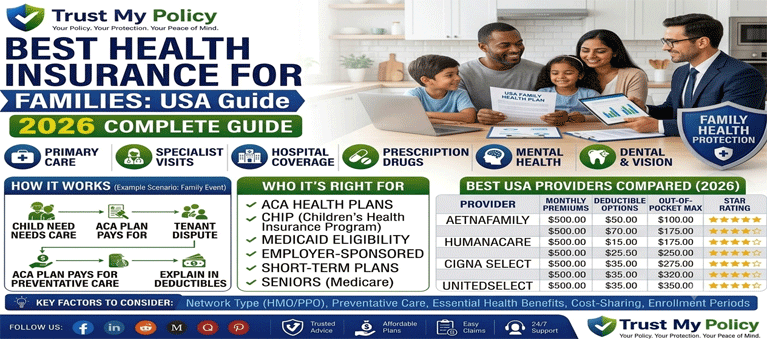
is not associated with Pennie, the Pennsylvania Department of Person Solutions, the Pennsylvania Insurance Department, or any provider consisting of CHIP carriers. The company helps Pennsylvania locals compare plans and register in coverage at no additional cost.
An insurance coverage program jointly funded by states and the federal government that offers medical insurance to low-income kids and, in some states, pregnant females in households who make too much earnings to receive Medicaid Can not pay for to acquire personal health insurance coverage.
Medicare in Huntington BeachFinding Cheap 2026 Family Health Quotes
We found out yesterday that the typical expense of a household health insurance policy through an employer reached nearly $27,000 this year, 6% greater than what it cost in 2024. As if that weren't alarming enough, researchers are anticipating that the overall most likely will skyrocket towards $30,000 next year since of increasing medical expenses and the unrelenting pressure insurance providers are under from Wall Street to increase their earnings.
Regardless of duplicated guarantees from insurers that we can count on them to hold down the cost of health care and consequently the premiums they charge there are now many years of evidence from scientists like KFF, which tracks annual changes in employer-sponsored protection that they have not and can not provide on their pledges.
A medical insurance policy today is generally less valuable than it was a decade ago due to the fact that households need to spend increasingly more cash out of their own pockets every year before their protection kicks in. In addition, they are even more most likely to be informed that their insurance providers will not cover the care their doctors say they require.
That is a rate of increase much greater than basic inflation and also greater than medical inflation. Not just has the overall expense of an employer-sponsored strategy skyrocketed, so has the share of premiums employees should pay. This year, companies subtracted an average of $6,850 from their employees' paychecks for family protection, up from $4,823 in 2014, a 42% increase.
The Affordable Care Act, to its credit, set up a cap on out-of-pocket expenses in 2014, however that cap has actually been increasing annually in addition to premiums. (The U.S. Department of Health & Person Solutions sets the out-of-pocket max every year, pegging it to the average increase in premiums.)In 2014 the out-of-pocket cap for a household policy was $12,700.
Affordable Final Expense and Burial Insurance Options
And remember that the cap just uses to in-network care. If you head out of your insurance provider's network or take a medication not covered under your policy, you can be on the hook for hundreds or thousands more. While many employer-sponsored plans have caps that are considerably lower, numerous people and families reach the legal max every year.
Insurance providers stated their 2024 earnings were somewhat depressed due to the fact that more of their health strategy enrollees went to the physician and chose up their prescriptions last year. Investors were furious that insurance providers could not keep that from occurring, as you'll see in the charts listed below.
However overall, the stock rates of the big insurance coverage conglomerates have increased steadily over the years as we and our employers have actually needed to spend more for policies that cover less. For instance, UnitedHealth Group, the greatest of the 7, saw its stock rate increase 483% between 2014 and 2024 from $85.31 a share on Dec.
31, 2024. Many of the other companies saw similar development in their shares over that time period. By contrast, the Dow Jones Industrial Average increased 139% (from $17,823.07 to $42,544.22), and the S&P 500 increased 186% (from $2,058.90 to $5,881.63) during the very same duration. Back to those premiums and out-of-pocket requirements.

Latest Posts
Comparing PPO and HMO Health Insurance Explained
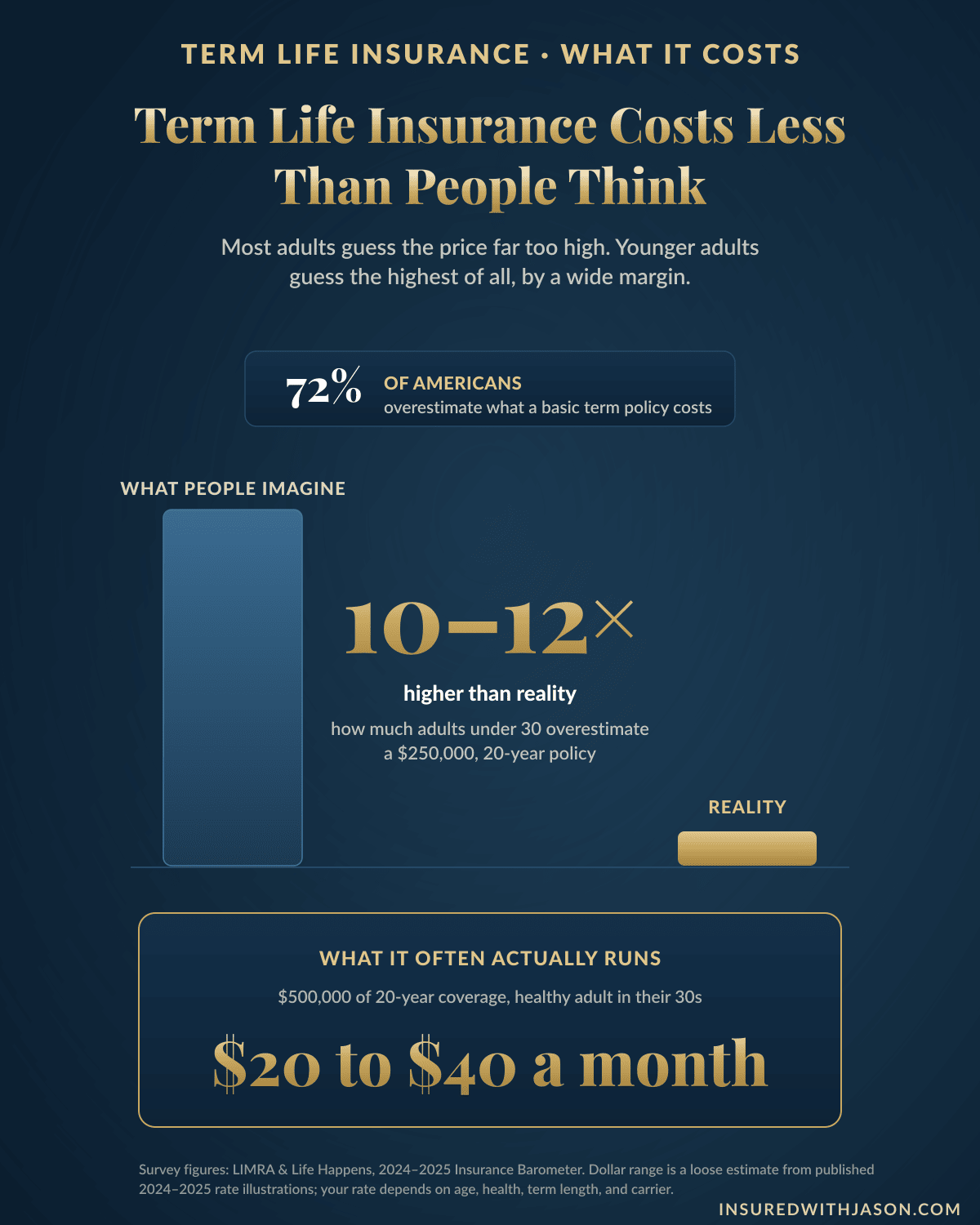
The Way Whole Life Insurance Works in 2026
Indexed Universal Life Benefits for Retirement