All Categories
Featured
Comparing PPO and HMO Health Insurance Explained
Indexed Universal Life Benefits for Retirement

Cheap Individual Health Insurance for 2026
Click here for an instantaneous Medigap quote or require friendly, totally free assistance. Note: Medicoverage Inc and are not endorsed by the Centers for Medicare & Medicaid Provider (CMS), the Department of Health and Person Services (DHHS) or any other government firm.
Navigating the complexities of Medicare can be difficult, especially when it comes to understanding Medicare Part D eligibility requirements. Medicare Part D plans, also called Medicare Prescription Drug Plans (PDP), offer prescription drug protection to Medicare beneficiaries. Medicare Part D is sold by personal insurer and can be found as a standalone Medicare drug plan or as part of a Medicare Advantage (Medicare Part C) plan.
Medicare Part D is readily available to anyone who is enrolled in either Medicare Part A or Part B. This suggests that if you are currently a recipient of Original Medicare, including both hospital (Part A) and medical (Part B) insurance, you are eligible to receive Medicare Part D benefits. You can also be qualified for Medicare Part D if you are registered in a Medicare Benefit strategy that does not currently consist of prescription drug coverage.
How to Enroll in 2026 Medicare Part D
This is a 7-month duration that begins 3 months before you turn 65, includes your birth month, and extends 3 months after that month. Fall Medicare open registration lasts from October 15 to December 7 each year, Medicare beneficiaries can join, change or drop a Medicare Prescription Drug Strategy throughout this duration.

Latest Posts
Comparing PPO and HMO Health Insurance Explained
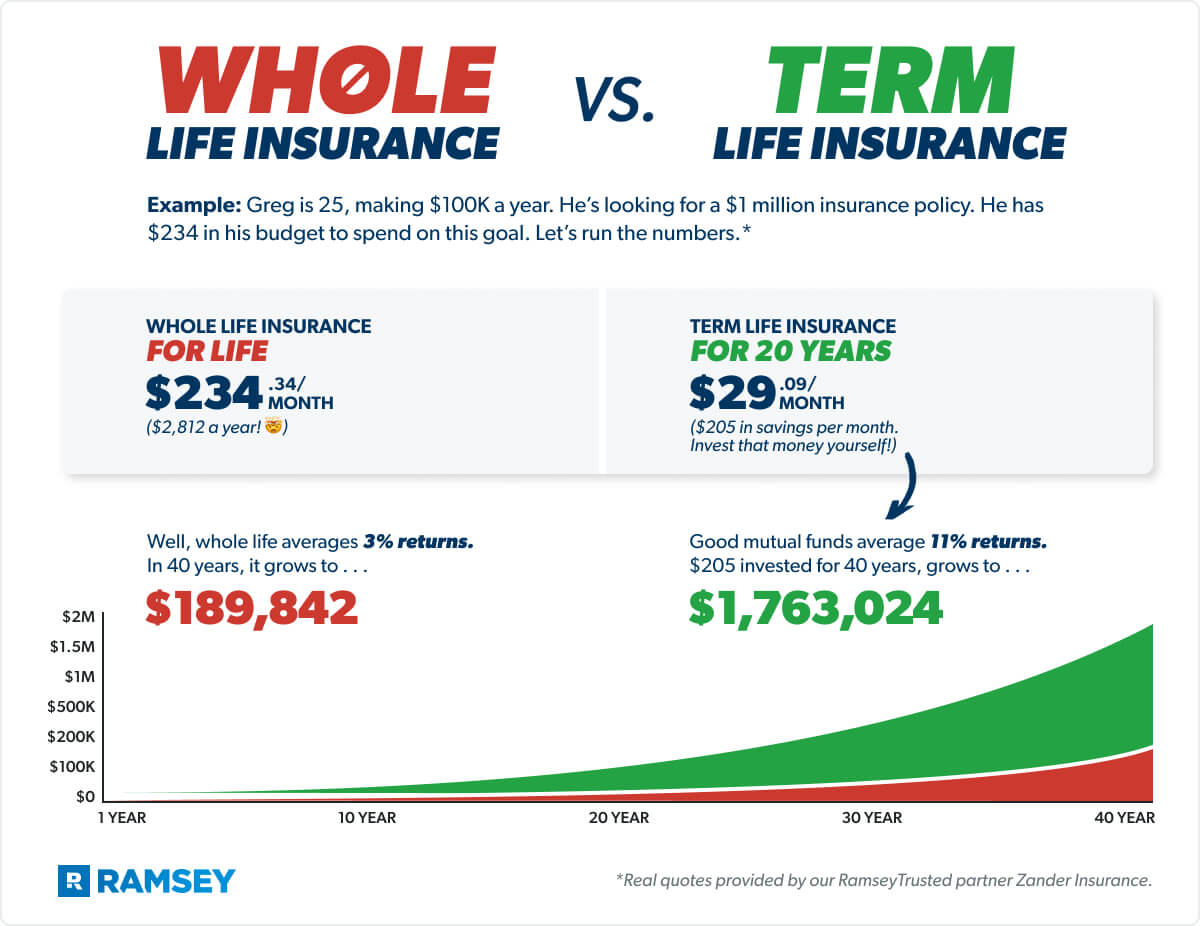
The Way Whole Life Insurance Works in 2026
Indexed Universal Life Benefits for Retirement